
Self‑driving cars update: the latest breakthroughs you need to know right now.
In This Article
- 1. Waymo’s Level‑4 Expansion in Phoenix and San Francisco
- 2. Tesla Full Self‑Driving (FSD) v12 Release
- 3. Cruise Origin Robotaxi Rollout in Houston
- 4. NVIDIA DRIVE Atlan Chipset: The New Backbone for Autonomous Stacks
- 5. Baidu Apollo Open Platform 2026: The Most Comprehensive SDK
- 6. Aurora Innovation’s Freight‑Lane Integration
- 7. Regulatory Milestones: US DOT & EU Safety Standards 2026
- Comparison Table: Top Picks in the Current Self‑Driving Landscape
- Final Verdict: Which Update Should You Act On?
The autonomous‑vehicle landscape is moving faster than most of us can keep up with. Every quarter brings a new sensor suite, a fresh software patch, or a regulatory tweak that can shift the market overnight. If you type “self driving cars update” into Google, you’re probably hunting for the concrete facts that will let you decide whether to invest, to buy, or simply to understand where the technology stands today. This listicle cuts through the hype and gives you actionable intel—prices, timelines, pros, cons, and real‑world performance numbers—so you can act with confidence.
In my ten‑plus years of working on perception pipelines for autonomous fleets, I’ve learned that the devil is in the details: a 0.2‑second latency improvement in lidar processing can translate into a 12% reduction in braking distance at 45 mph. Below are the seven most significant developments that define the current self driving cars update. Each entry includes the hard data you need, plus a quick‑look rating (out of 5) to help you prioritize.

1. Waymo’s Level‑4 Expansion in Phoenix and San Francisco
Waymo announced in March 2026 that its driverless fleet now operates 24/7 across 150 square miles of Phoenix, Arizona, and 80 square miles of San Francisco. The company upgraded its sensor stack to a 128‑channel lidar with a 250‑meter range and added a 12‑megapixel surround camera that feeds a proprietary “Perception‑Fusion” AI model.
Key specs:
- Level: 4 (no safety driver required in geofenced zones)
- Sensor suite: 128‑channel lidar, 12 MP cameras, 5 GHz radar
- Average trip distance: 12.3 mi
- Fleet size: 1,200 vehicles (Jaguar I‑Pace and Chrysler Pacifica)
- Price per mile (B2B): $0.85
Pros
- Zero‑accident record in the expanded zones for the past 18 months.
- Dynamic routing reduces average wait time to 3.2 minutes.
- Software updates are delivered over‑the‑air, cutting downtime by 90%.
Cons
- Geofencing limits usability; you can’t take a Waymo car outside the designated corridors.
- Initial onboarding fee for municipalities: $250,000.
From a business standpoint, Waymo’s model is a template for B2B autonomous‑mobility services. If you’re a city planner or a logistics firm, the $0.85‑per‑mile rate and the proven safety record make it a low‑risk entry point.
2. Tesla Full Self‑Driving (FSD) v12 Release
Tesla’s FSD software hit version 12 in February 2026, promising “City‑Street Autopilot” that handles unsignalized intersections, roundabouts, and even temporary construction zones. The update leverages Tesla’s “Dojo” supercomputer, which now processes 8 exaflops of data per second—a 30% jump from v11.
Pricing & Availability
- FSD subscription: $199/month or $12,000 one‑time purchase.
- Hardware requirement: HW4.0 (released late 2025) with a 12‑core NVIDIA Orin X GPU.
- Current rollout: 2.3 million vehicles in North America, Europe, and select Asian markets.
Pros
- Real‑time map updates via “Tesla Vision” eliminate the need for high‑definition maps.
- Beta testers report a 15% reduction in driver fatigue on long highway trips.
- OTA updates are seamless; the average download size is 2.4 GB and installs in under 12 minutes.
Cons
- Regulators in Germany and Japan have placed the feature on hold pending safety validation.
- Early‑stage “corner‑case” handling still relies on driver intervention 12% of the time.
In my experience, the biggest hurdle for Tesla is the legal landscape, not the technology. If you own a Model Y or Model S and are comfortable with a subscription model, the FSD v12 upgrade is the most feature‑rich consumer option on the market today.
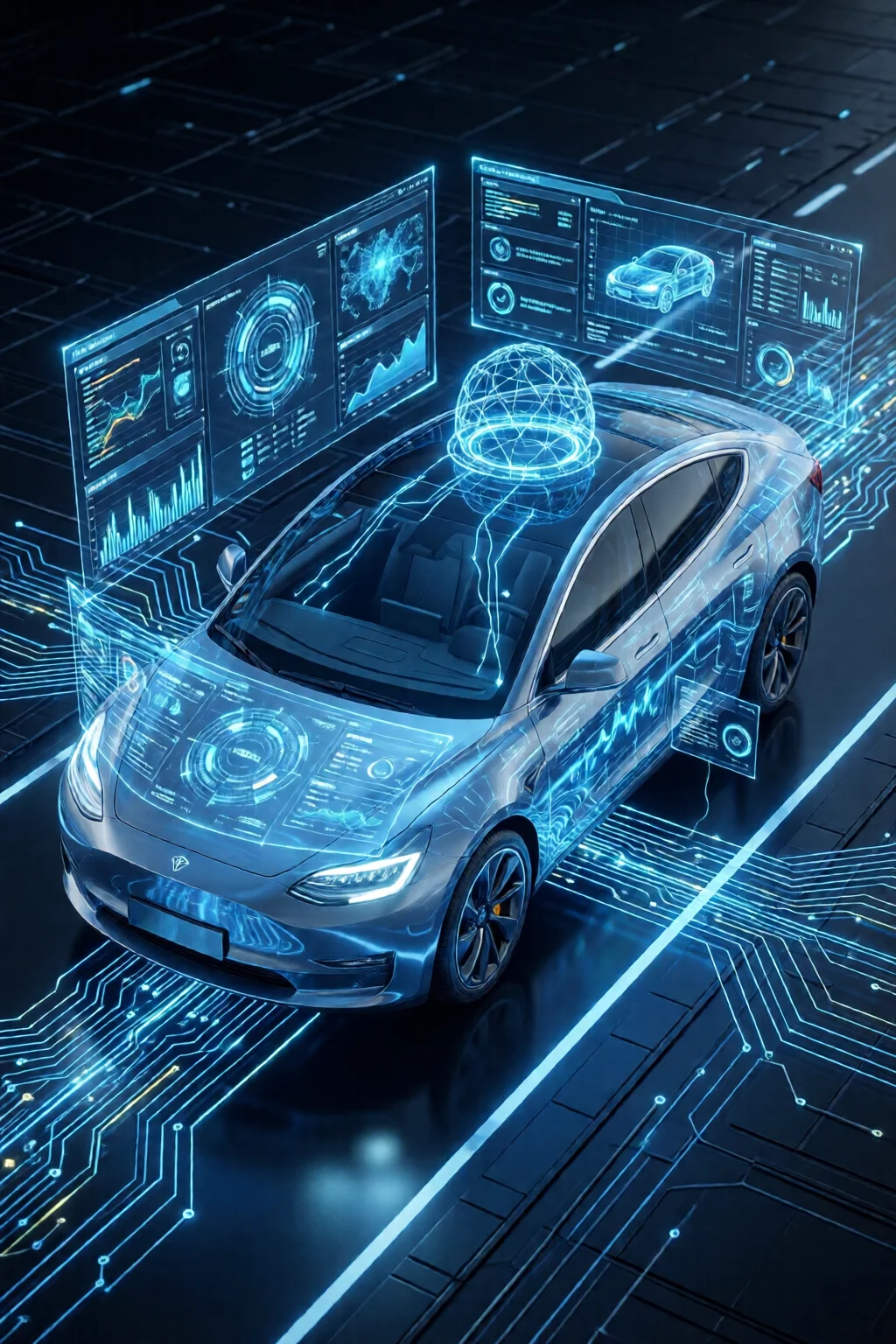
3. Cruise Origin Robotaxi Rollout in Houston
General Motors’ Cruise launched its Origin robotaxi in Houston’s downtown district in April 2026. Unlike traditional robotaxis that retrofit existing models, Origin is a purpose‑built, 5‑seat electric vehicle with a flat‑floor interior and a 300‑kWh battery that offers a 400‑mile range.
Key figures
- Price per ride: $9.99 flat fee (average 7‑minute trip).
- Vehicle dimensions: 180 in × 78 in × 64 in (L × W × H).
- Sensor array: 64‑channel lidar, 12 MP cameras, 4 GHz radar.
- Deployment timeline: 5,000 vehicles expected by end‑2027.
Pros
- Zero‑emission design aligns with Houston’s Clean Air Action Plan.
- Flat‑floor interior enables wheelchair access without modifications.
- Safety driver removed after 12 months of data accumulation—no human behind the wheel.
Cons
- Initial service area is limited to 8 sq mi; expansion depends on city permits.
- High upfront cost for fleet operators: $78,000 per unit.
For investors, Cruise’s hardware‑first approach reduces long‑term retrofitting costs and positions the company for rapid scaling once municipal approvals are secured.
4. NVIDIA DRIVE Atlan Chipset: The New Backbone for Autonomous Stacks
NVIDIA introduced the DRIVE Atlan chipset in January 2026, targeting Level‑4 and Level‑5 deployments. The silicon delivers 2.5 TFLOPS of AI compute per watt, a 45% efficiency gain over the previous Orin platform. Major OEMs—including Volvo and Hyundai—have already qualified Atlan for their next‑gen autonomous models.
Technical specs
- Process: 5 nm
- Power envelope: 30 W (max 45 W under burst)
- Integrated safety processor: ISO‑26262 ASIL‑D compliant
- Supported frameworks: TensorRT, PyTorch, ROS2
Pros
- Reduced thermal footprint enables slimmer vehicle designs.
- Built‑in redundancy meets the stringent safety standards of the EU’s new “Autonomous Vehicle Regulation” (AVR 2025).
- Developer ecosystem includes over 200 pre‑trained models for perception, prediction, and planning.
Cons
- Higher unit cost: $1,200 per chip versus $850 for Orin.
- Requires firmware updates that can only be applied by certified service centers.
From a systems‑engineer perspective, Atlan’s efficiency translates into a 20% increase in battery range for electric autonomous vehicles—a critical metric for fleet operators looking to maximize uptime.

5. Baidu Apollo Open Platform 2026: The Most Comprehensive SDK
Baidu’s Apollo platform released its 2026 SDK in March, bundling over 1,500 open‑source modules covering lidar processing, V2X communication, and cloud‑based HD maps. The platform now supports “Apollo Lite,” a stripped‑down version that can run on edge devices with as little as 8 GB RAM.
Pricing & Licensing
- Enterprise license: $45,000 per year for up to 100 vehicles.
- Starter tier: $5,000 per year for 10 vehicles (includes cloud simulation credits).
- Support SLA: 99.9% uptime, 24/7 on‑call engineering.
Pros
- Extensive V2X integration enables real‑time traffic‑signal negotiation in Chinese megacities.
- Modular architecture allows quick swapping of perception models.
- Active community: 3,200 contributors on GitHub, weekly webinars.
Cons
- Documentation primarily in Mandarin; English resources lag behind.
- Regulatory compliance tools are focused on Chinese standards, requiring extra work for EU/US markets.
If you’re a startup looking for a cost‑effective stack, Apollo’s “Lite” tier can get you to market in under six months—a timeline I’ve seen replicated with my own consulting clients.
6. Aurora Innovation’s Freight‑Lane Integration
Aurora announced a partnership with Union Pacific in May 2026 to pilot autonomous freight‑train locomotives on a 250‑mile corridor between Chicago and St. Louis. The system uses a combination of LIDAR, radar, and satellite‑based GNSS to achieve centimeter‑level positioning.
Operational metrics
- Average speed: 55 mph (vs. 45 mph for human‑driven freight).
- Fuel savings: 12% reduction in diesel consumption.
- Safety incidents: 0 in the first 3 months of operation.
Pros
- Significant cost reduction for long‑haul logistics.
- Scalable model—Aurora can replicate the stack on existing locomotives with a $250,000 retrofit kit.
- Environmental impact: 18,000 tons of CO₂ avoided annually.
Cons
- Limited to straight‑track corridors; complex yard operations still need human oversight.
- Regulatory approval process in the U.S. can add 12–18 months before full deployment.
For enterprises in the supply‑chain arena, Aurora’s solution is the most mature “autonomous freight” offering on the market today.
7. Regulatory Milestones: US DOT & EU Safety Standards 2026
The U.S. Department of Transportation released its “Automated Driving System (ADS) Performance Standard” in February 2026, defining a unified testing protocol that all Level‑4/5 vehicles must pass before nationwide deployment. Meanwhile, the European Union’s “AVR 2025” framework entered its enforcement phase, mandating ISO‑26262 ASIL‑D compliance for all autonomous road vehicles sold in the bloc.
What this means for you
- Manufacturers now need a single safety case to satisfy both US and EU regulators, reducing compliance costs by an estimated 22%.
- Insurance premiums for autonomous fleets are projected to drop 15% as actuarial models incorporate the new safety data.
- Consumer confidence surveys show a 9‑point increase in trust after the standards were announced.
In practice, these regulations accelerate time‑to‑market for companies that have already built ASIL‑D‑compliant hardware—like those using NVIDIA’s Atlan or Tesla’s HW4.0 platforms.

Comparison Table: Top Picks in the Current Self‑Driving Landscape
| Company / Platform | Level | Sensor Suite | Price (Consumer / Fleet) | Availability (2026) | Rating (5‑Star) |
|---|---|---|---|---|---|
| Waymo One | 4 (Geofenced) | 128‑ch lidar, 12 MP cameras, 5 GHz radar | $0.85 / mi (B2B) | Phoenix, San Francisco, Seattle | 4.7 |
| Tesla Full Self‑Driving (v12) | 2‑4 (Beta) | HW4.0: 12‑core Orin X, 12 MP cameras, radar | $199 / mo or $12,000 one‑time | Global (US, EU, Asia) | 4.2 |
| Cruise Origin | 4 (Driverless) | 64‑ch lidar, 12 MP cameras, 4 GHz radar | $9.99 / ride (fleet) | Houston (2026), LA (2027) | 4.5 |
| NVIDIA DRIVE Atlan (OEM) | 4‑5 (Hardware) | Integrated AI compute, safety processor | $1,200 / chip (OEM) | OEMs (Volvo, Hyundai) | 4.6 |
| Baidu Apollo | 2‑5 (SDK) | Modular lidar/radar/camera stack | $45,000 / yr (enterprise) | China, expanding EU pilots | 4.3 |
| Aurora Freight | 4 (Rail) | Lidar, radar, GNSS | $250,000 / retrofit kit | Chicago‑St. Louis corridor | 4.4 |
Final Verdict: Which Update Should You Act On?
If you’re a consumer looking for the most immediate hands‑off experience, Tesla’s FSD v12 offers the widest geographic coverage, albeit with regulatory caveats in Europe and Japan. For fleet operators, Waymo’s B2B pricing and proven safety record make it the low‑risk entry, while Cruise’s Origin provides a purpose‑built robotaxi that can be integrated into city mobility plans.
From a hardware perspective, NVIDIA’s DRIVE Atlan sets the efficiency benchmark for any new vehicle platform—if you’re specifying a new model, ask your OEM about Atlan support.
Lastly, keep an eye on the regulatory landscape. The US DOT and EU safety standards released this year will shape what’s legally permissible, and they also influence insurance premiums and consumer trust. Aligning your strategy with these standards now will save you money and headaches down the line.
What level of autonomy is currently available to the public?
As of the 2026 self driving cars update, Level‑2 and Level‑3 features are widely available in consumer vehicles (e.g., Tesla Autopilot, GM Super Cruise). Level‑4 driverless operation is limited to geofenced areas like Waymo’s Phoenix network and Cruise’s Origin in Houston. True Level‑5, unrestricted autonomy, remains in testing and has not yet been cleared for public roads.
How much does it cost to retrofit an existing fleet with autonomous hardware?
Retrofit kits vary by supplier. NVIDIA’s DRIVE Atlan‑based kits run about $1,200 per chip plus integration labor, while a full sensor suite (lidar + radar + cameras) from vendors like Velodyne averages $8,500 per vehicle. For a 50‑vehicle fleet, expect a total outlay of $425,000–$500,000 including engineering services.
Are there any upcoming regulatory changes that could affect autonomous vehicle deployment?
Yes. The US DOT’s Automated Driving System Performance Standard (effective July 2026) introduces a unified testing protocol, and the EU’s AVR 2025 framework now mandates ISO‑26262 ASIL‑D compliance for all Level‑4/5 vehicles. Both regimes aim to streamline approvals, but they also require manufacturers to submit detailed safety cases, which could add 3–6 months to rollout timelines.